
Rooted in childhood, grown with care
Rydal began as a small school that our director, Heather House, attended as a child. Years later, when the opportunity arose to make it her own, she did — growing and developing Rydal into the warm, independent nursery families know today.

About the Setting
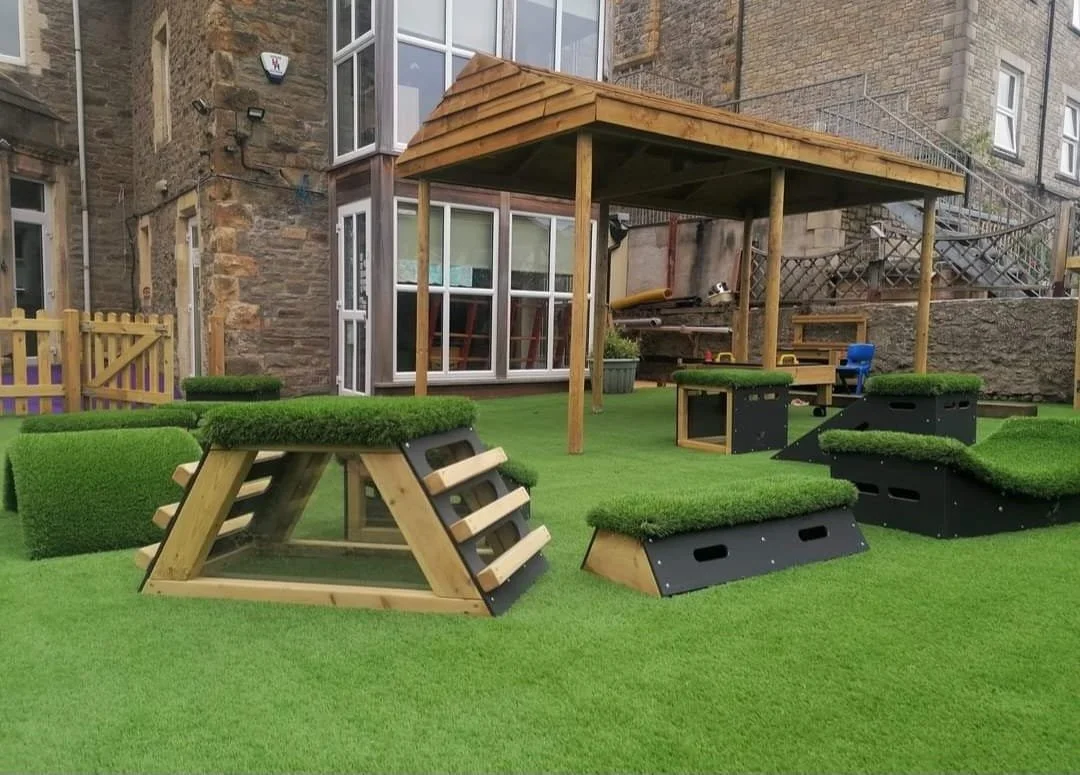
Rydal Day Nursery was originally a small school that the director, Heather House attended in her younger years. Heather loved her time at Rydal so much that when the previous owner retired and decided to sell, Heather jumped at the chance of buying it. Over the years since Heather took on Rydal, she’s made many investments and improvements and provides fantastic leadership and direction to the staff team.
Rydal Day Nursery is a 49 space setting, open 51 weeks of the year.
Opening times:
Monday 8-6 Tuesday 8-6 Wednesday 8-6 Thursday 8-6 Friday 8-5.30
Our Ethos & Vision
As a setting, we are proud to offer care that provides children with the base knowledge and learning they need in their early years. We use this knowledge to develop skills and attributes that will support children to be empathetic, curious, determined, respectful and passionate.
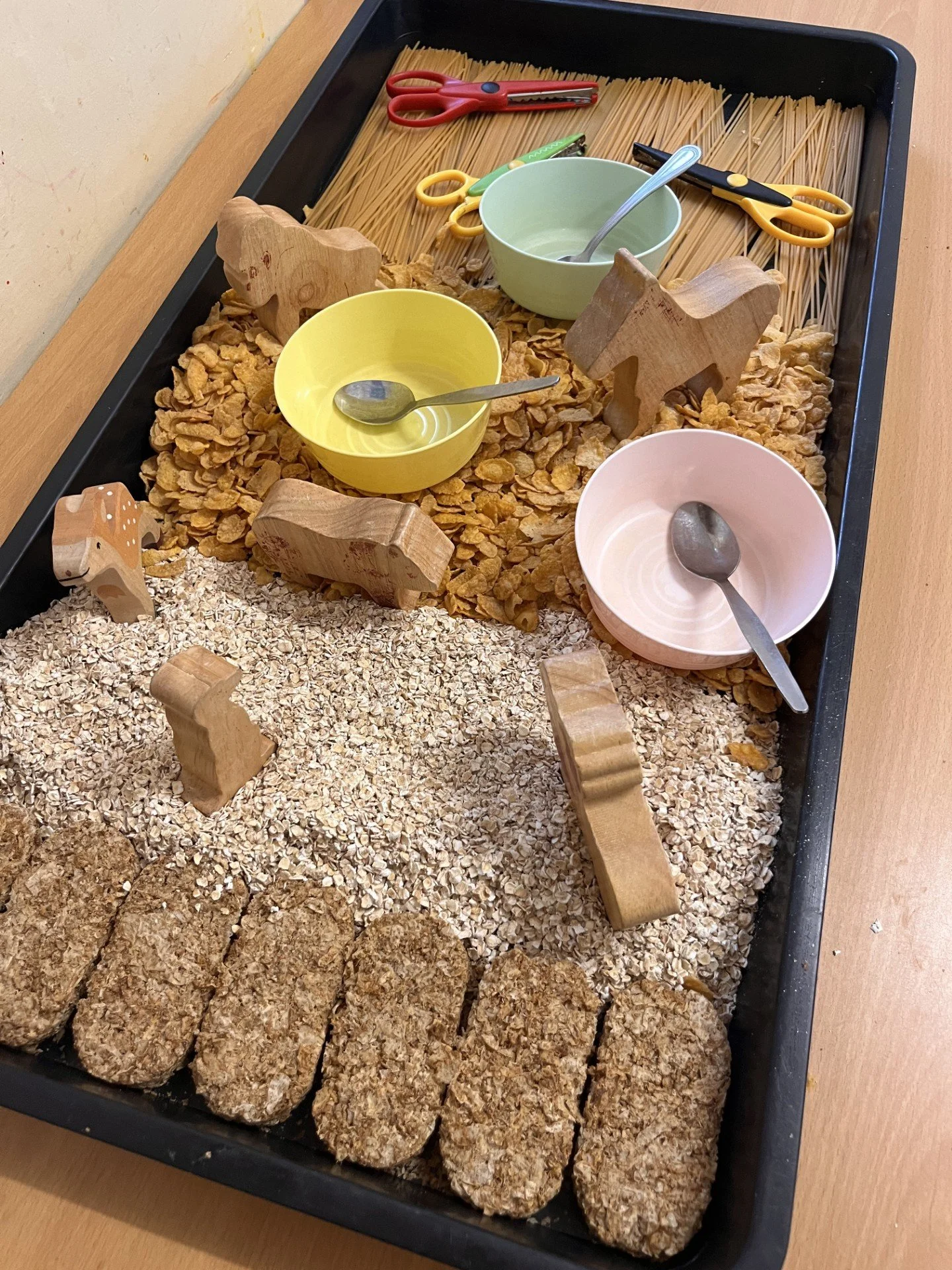
At Rydal Day Nursery, each of our rooms boasts a variety of areas to promote different areas of learning. Each room has a cosy area, mark making/literacy, construction, messy play and role play. As well as this, we have a variety of resources that are provided to encourage children to explore and extend their interests and ideas.
Empathetic
Learning to recognise feelings, care for others and build kind relationships.
Curious
Encouraging children to explore, investigate, question and discover.
Determined
Building confidence to keep trying, problem solve and celebrate achievement.
Respectful
Valuing themselves, other people, different ideas and the world around them.
Passionate
Helping children develop enthusiasm, interests and a genuine love of learning.
Ofsted feedback
What Ofsted seesat Rydal Day Nursery
Children feel safe and happy in this home-from-home environment.
Children have positive attitudes to their learning.
Community engagement is a strength of the nursery.
Our Rooms
Each room is thoughtfully arranged to support children at every stage, with age-appropriate spaces, resources, play and learning experiences that encourage confidence, curiosity and independence.

Tweenies
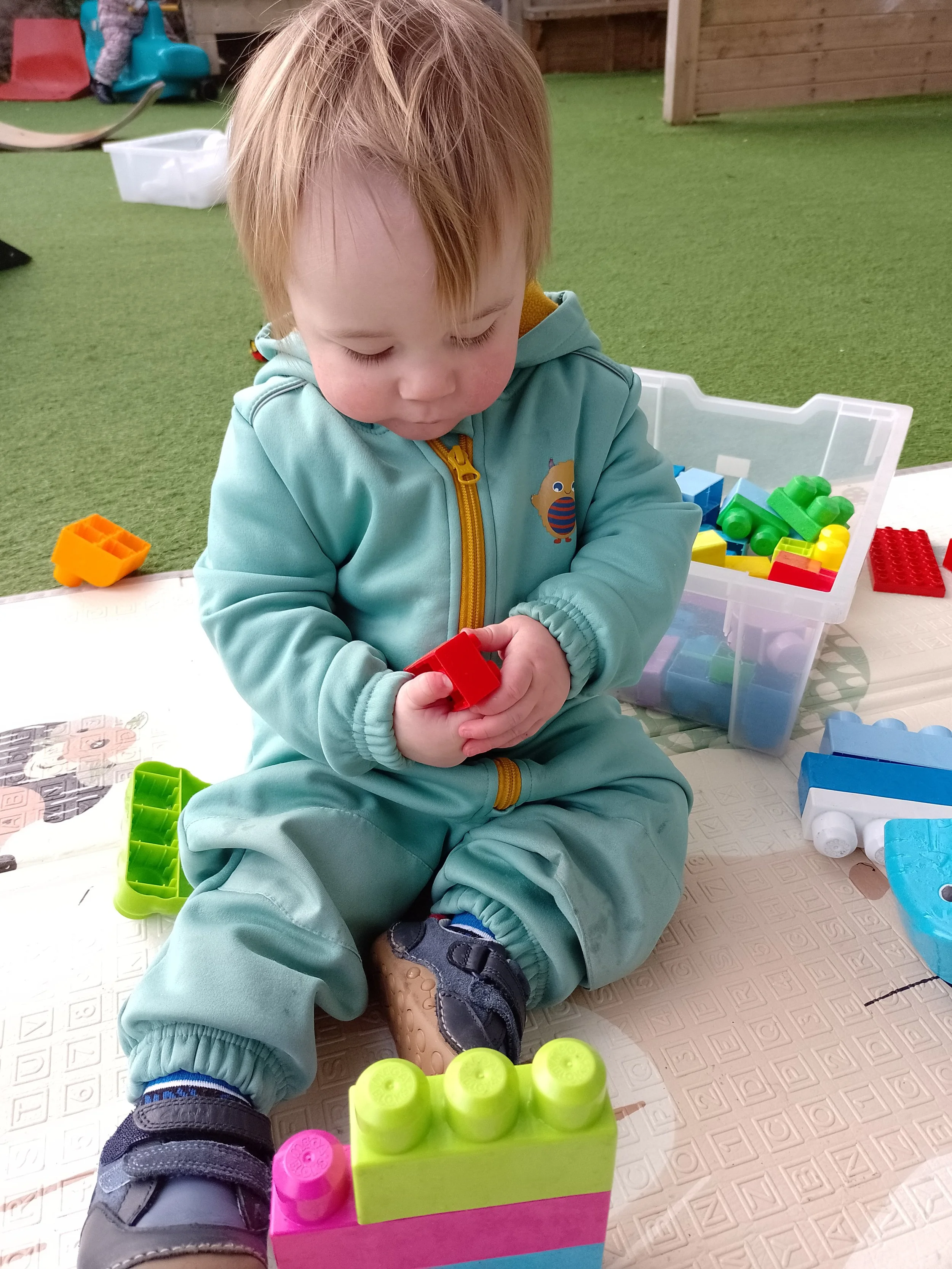
A nurturing, home-from-home space where our youngest children can feel secure, explore and develop their important first skills.
Learn more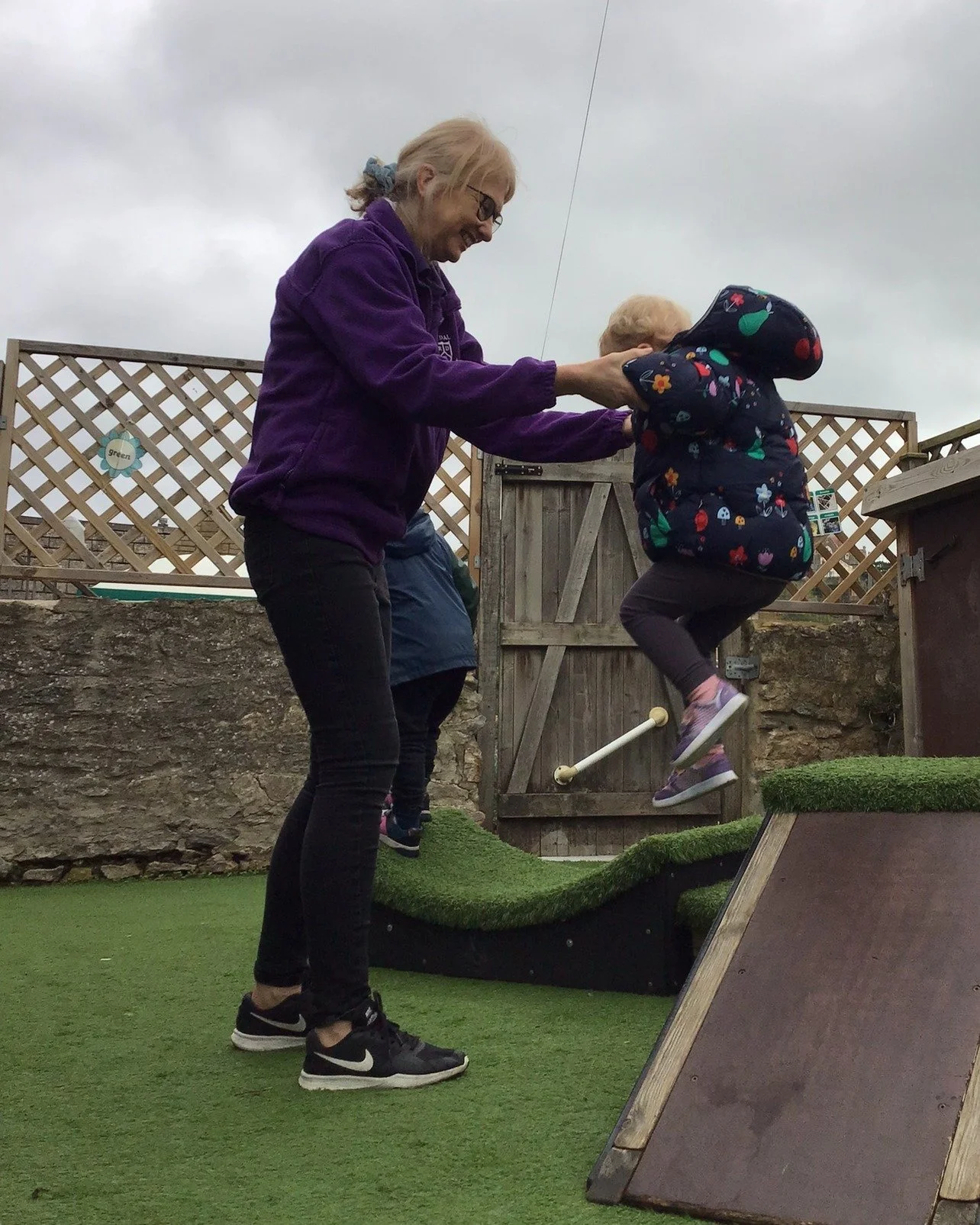
Jolly Tots
Encouraging independence, friendships and confidence while building the practical skills children need for their next stage.
Learn more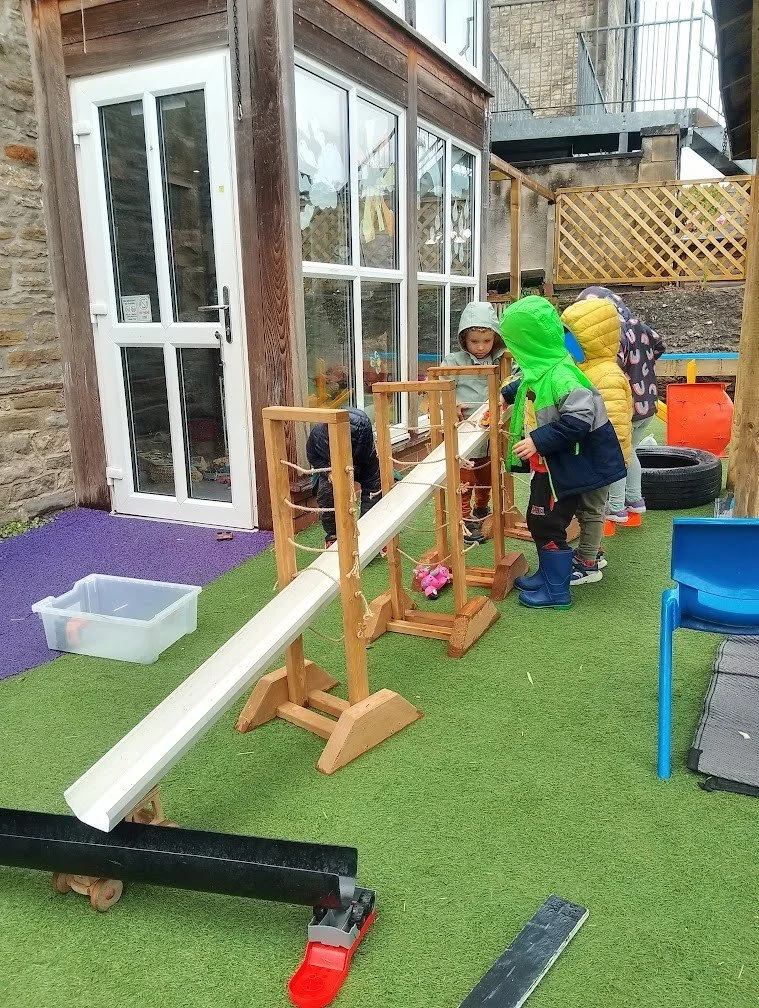
Pre-School
Promoting independence, confidence and inspirational thinking as children discover, collaborate and prepare for their next chapter.
Learn moreProvision & Curriculum
At Rydal Day Nursery, we provide a home from home setting where children are encouraged to learn and grow.
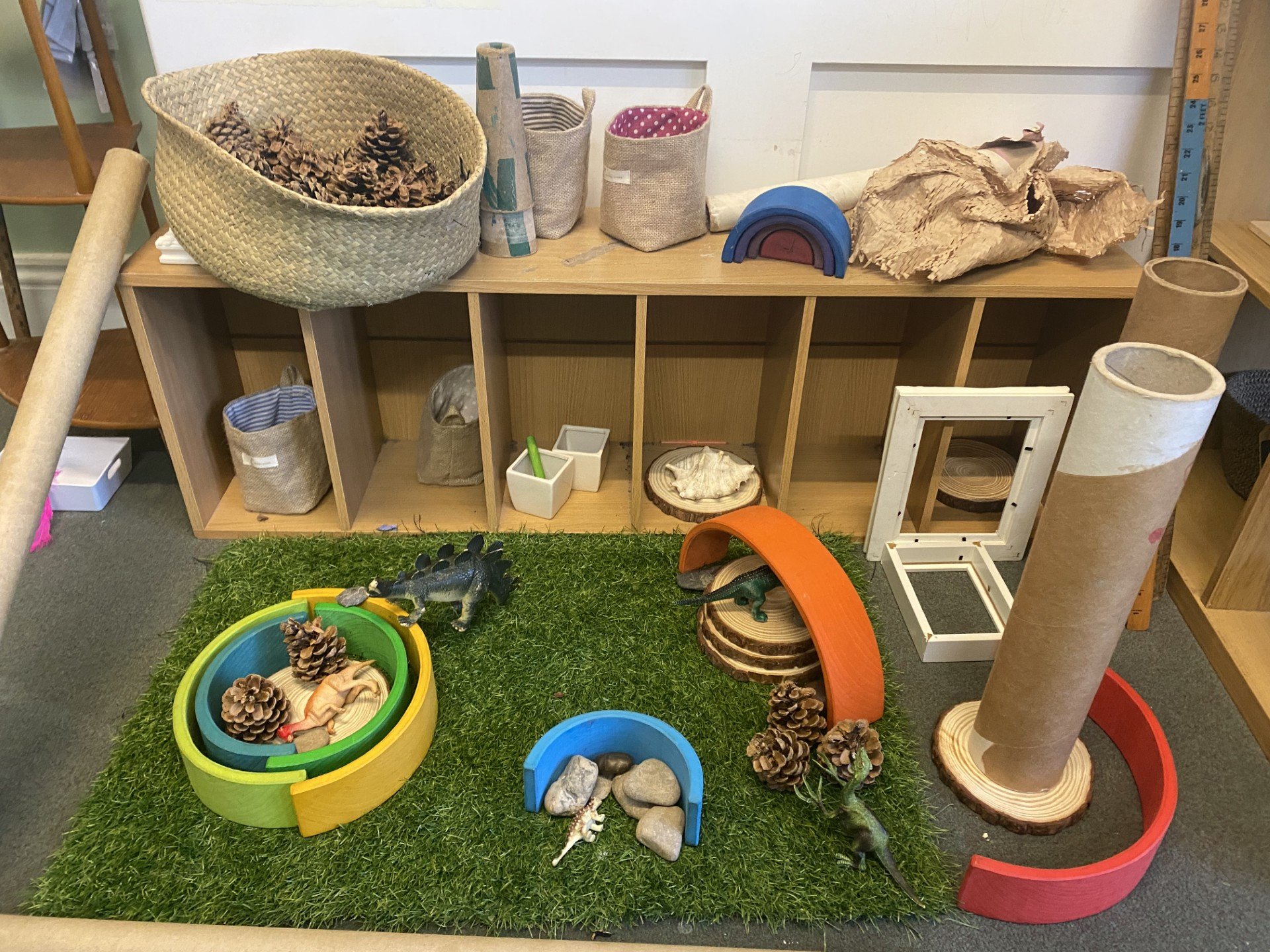
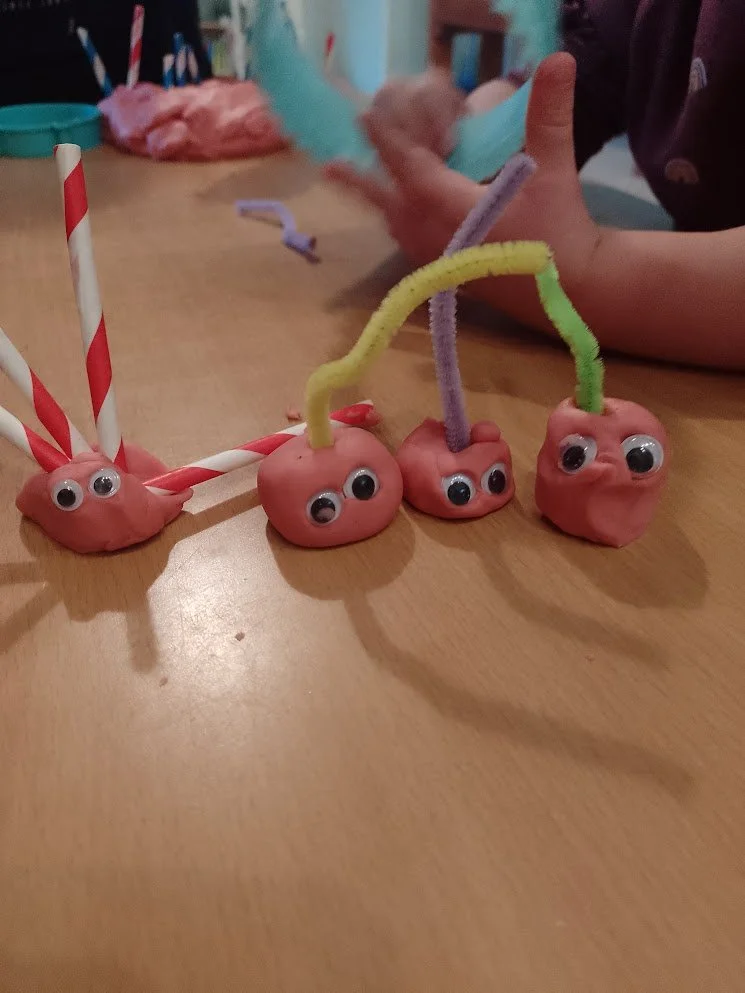
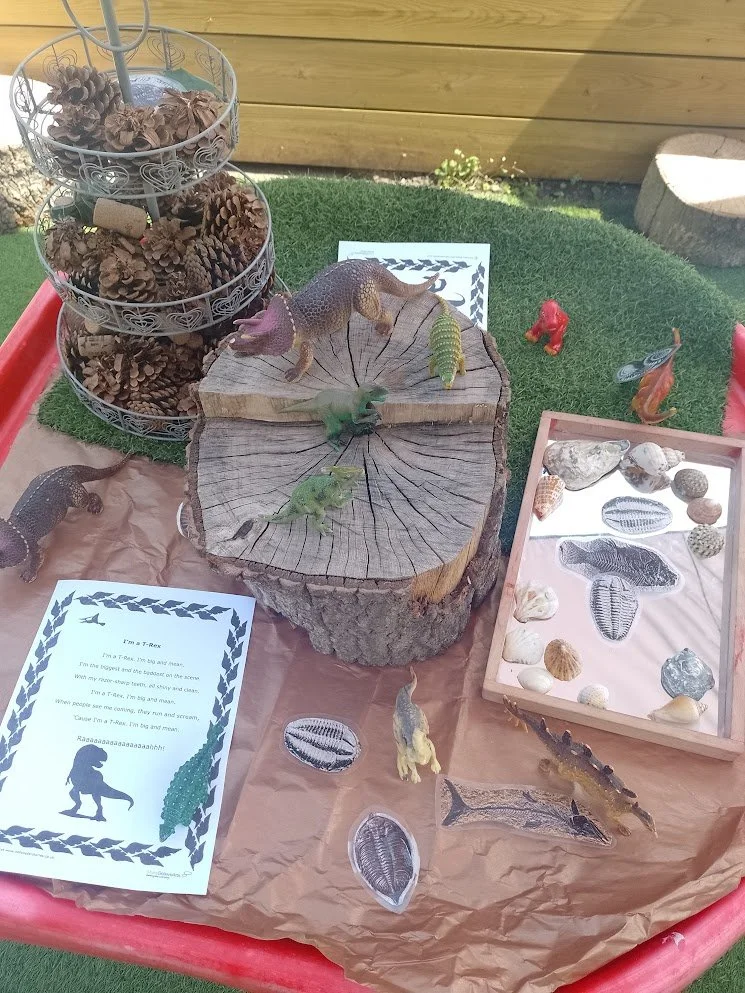
Each of the 3 rooms provide a mix of child-led provision and activities as well as planned, adult led activities that follow our monthly themes.
Children are encouraged to select resources and make choices independently. Staff promote confidence and autonomy during play.
Children have a developmental progress check completed three times a year. This document outlines a child’s strengths, likes and achievements, as well as focusing on targets to support next steps.
Rydal Day Nursery offers Parents Evening alongside the developmental progress checks, a chance for parents to meet with key persons and discuss their child.
At Rydal Day Nursery, we adhere to the Early Years Foundation Stage Statutory Framework, which outlines legal requirements and guidance suggestions within Early Years settings.
To aid our individual curriculum, Rydal Day Nursery uses Birth to 5 Matters as a guide to supporting and documenting children’s development and learning.
We build our personalised curriculum around the idea of ‘The Rydal Child’, a concept developed from what our staff deemed to be the most important skills and qualities for a child to have upon leaving the setting. The Rydal Child is ingrained into the setting, from planning and focus activities to assessment and reflection.
The Role of the Key Person
Every child is assigned a key person upon starting at Rydal. The key person is responsible for a child’s progress and development checks, as well as next steps and observations. Although each child is assigned a key person, all staff in the setting are attuned to the children’s needs and work closely in each room, allowing the children to bond with different staff and enhancing the success of room-room transitions due to the familiarity of the staff members.
Ready to see Rydal Day Nursery?
Book a visit and experience the warmth, care and curiosity that shape life at Rydal Day Nursery.
Community Links
At Rydal Day Nursery, we pride ourselves on our links to the local area and the community involvement we have.
Learning in our local community
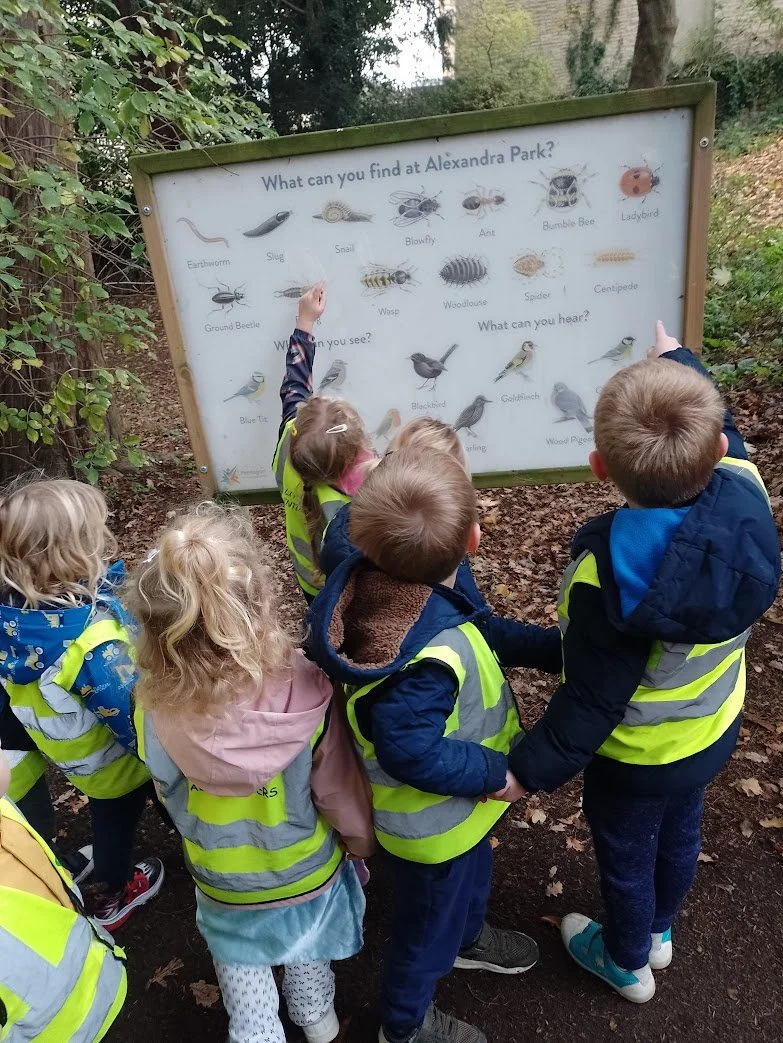
The setting is in an opportunistic location, allowing us to take the children to a variety of different locations, such as the beach and seafront, the local parks, shops and cafes, as well as walks to different care homes, churches and other shared spaces where we often do activities with local groups.
Experiences that bring people together
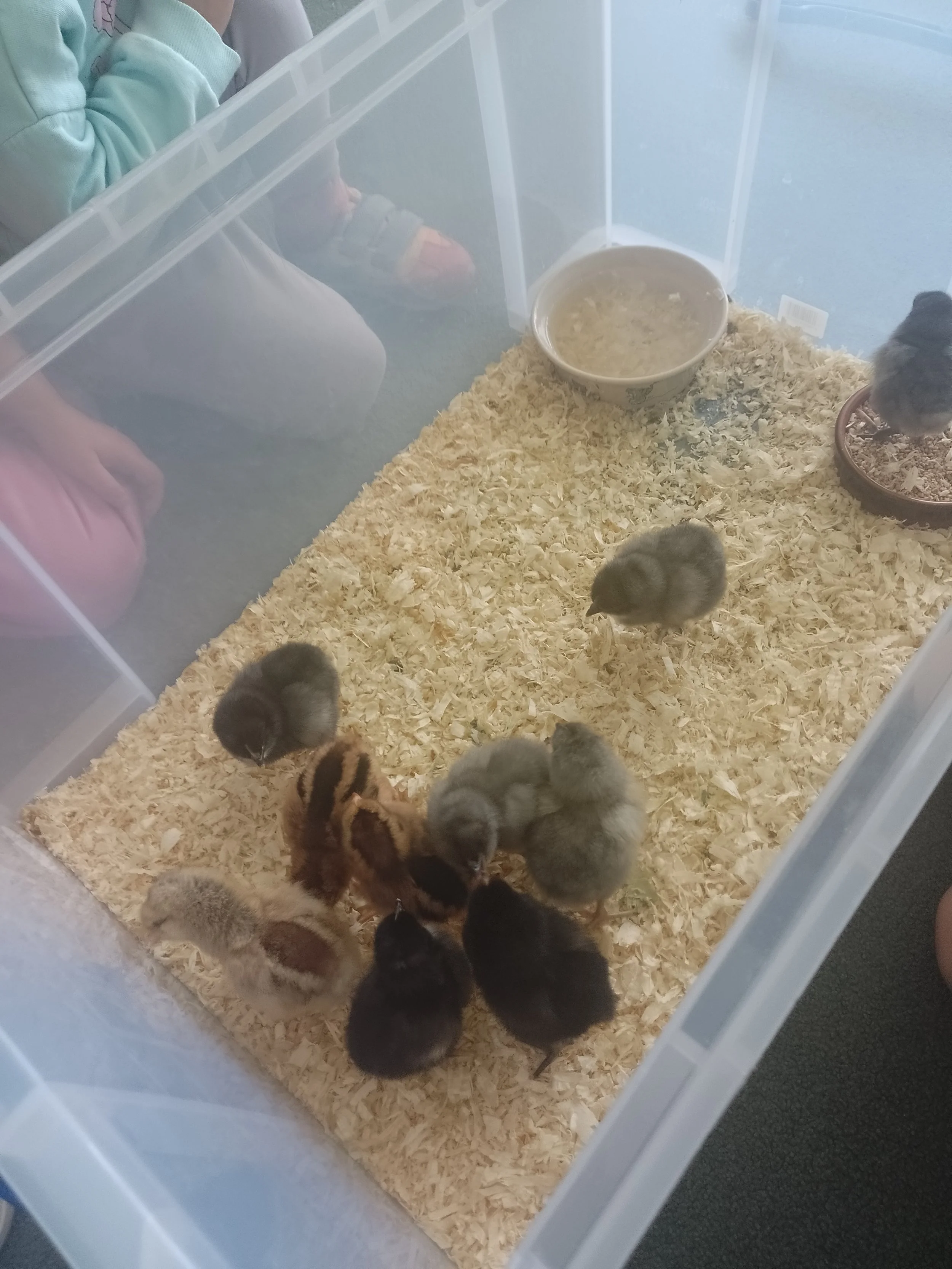
We provide additional experiences for your child in the setting, such as animal experiences, emergency services, musical groups and many more.
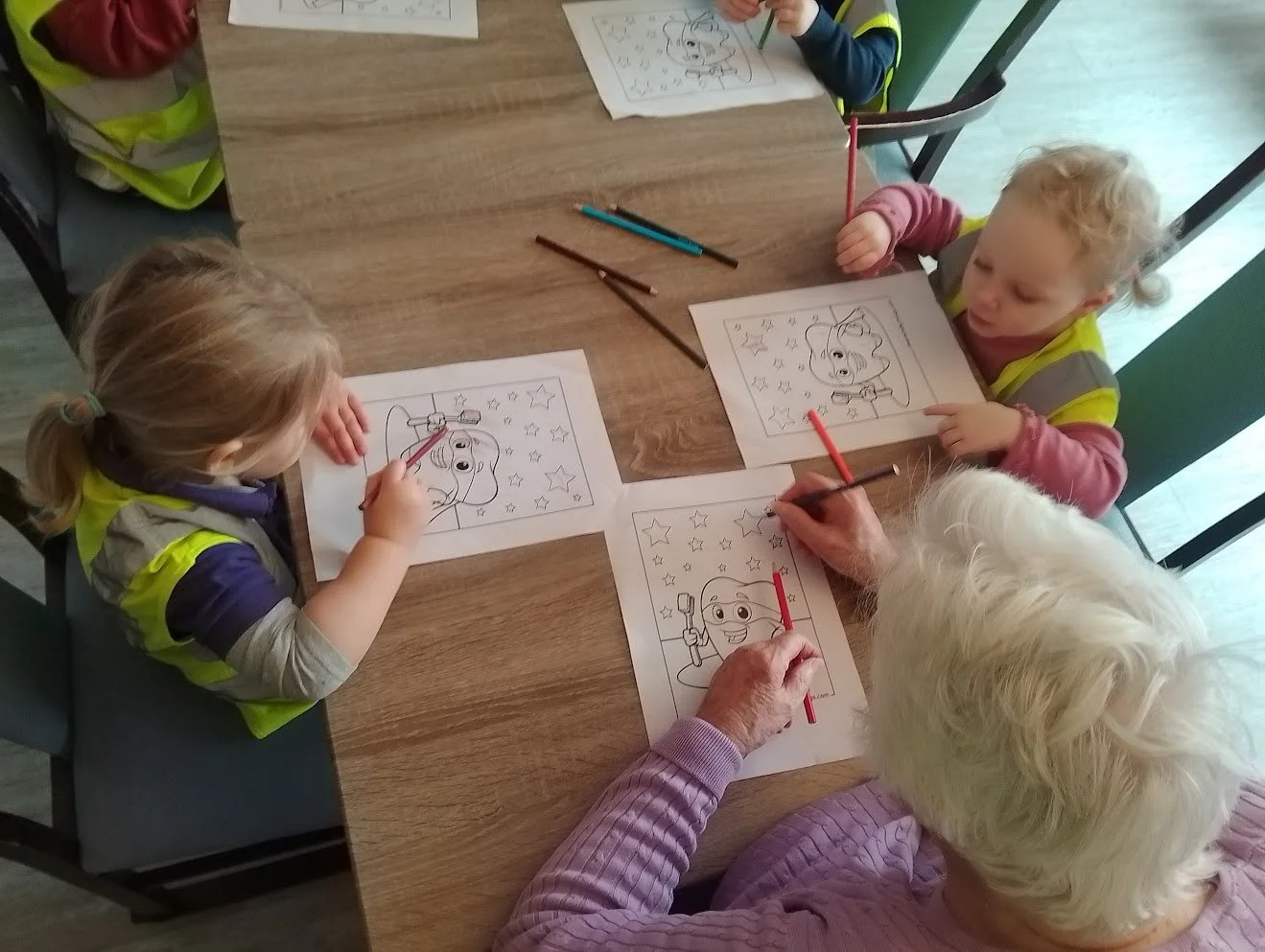
We promote Intergenerational Activities and have weekly visits to Winash Residential Home. The children and residents take part in different activities together, building relationships and teaching each other new skills.
Sharing skills, knowledge & experiences
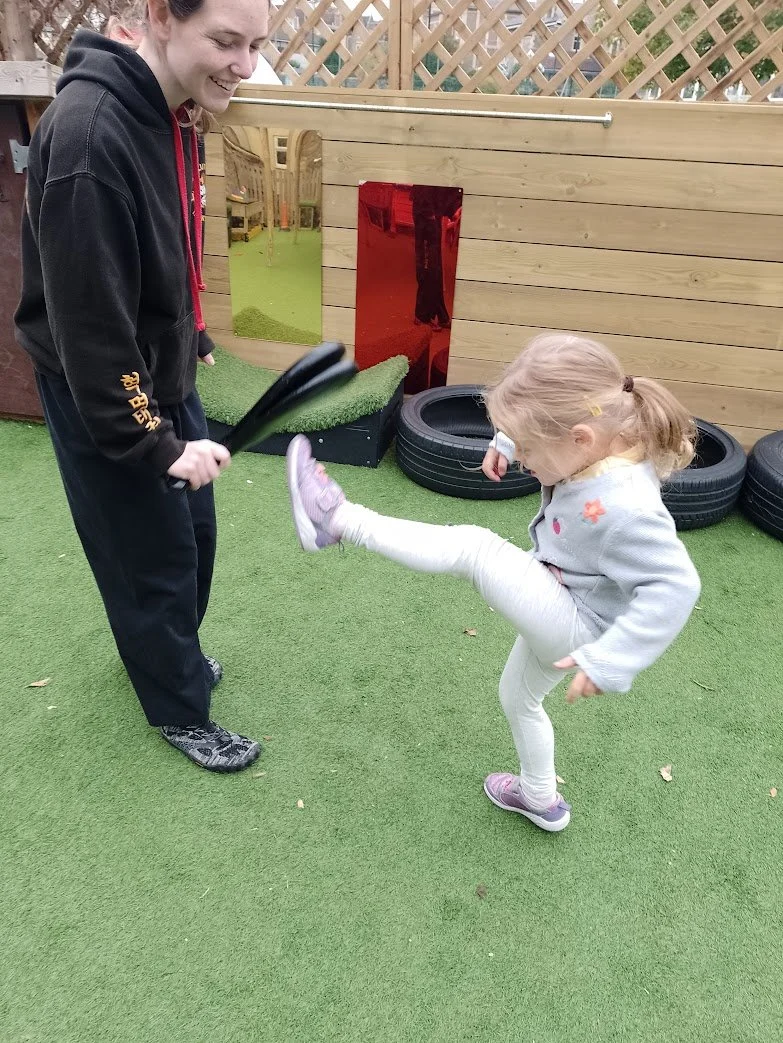
At Rydal, we celebrate everyone’s achievements and skills, and we often invite parents/carers into the setting to share their knowledge with the children.
In previous years, we’ve had visits from coastguards, vets, multilingual parents and even family pets!
Proud to support our community
Rydal Day Nursery are proud to support local businesses, charities and families in the area.
Every year, we choose a charity to fundraise for. These are usually local, smaller charities or non-profit organisations. The staff team vote to choose a charity that is best suited, often taking into account real life experiences of our families or what may be happening locally.